

The Most Difficult Yet Most Beautiful Day
March 09, 2026 By Marie Baro
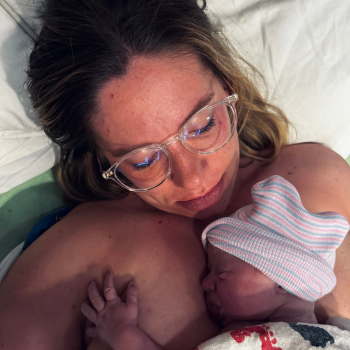
At 40 weeks pregnant, I went in for a routine check and monitoring appointment. I had a mild headache, nothing alarming. My urine sample showed protein. At first, my nurse practitioner wasn’t overly concerned. She asked about headaches and abdominal pain — symptoms I had experienced over the previous few days but hadn’t taken seriously.
As the appointment continued, she began to worry. She initially planned to wait for the lab results the next day, but when she noticed the swelling in my feet, everything shifted. She immediately called the on-call OB at the hospital and told me to drive there right away.
When I arrived, my blood pressure was through the roof — even though it had been completely normal less than 30 minutes earlier. I was started on magnesium and prepared for induction. I was developing HELLP syndrome. Despite the severity, the team agreed to wait four hours to give me a chance at a vaginal delivery.
Thankfully, my body responded quickly to the induction, and I delivered my daughter very quickly. Mahault was born slightly growth-restricted. The birth was further complicated by a postpartum hemorrhage that affected me.
In the days that followed, my blood pressure remained dangerously high. I was kept under close medical supervision with repeated monitoring and was ultimately placed on antihypertensive medication for several weeks.
Because this was my second delivery complicated by a hemorrhage — my first birth had also involved significant bleeding — I was strongly advised against pursuing a third pregnancy. The combination of recurrent hemorrhage and severe preeclampsia with HELLP syndrome places me at high risk if I were to carry another child.
This was not just a difficult delivery. It was a life-threatening event that has lasting implications for my health and our family’s future.
I didn’t hear the words preeclampsia or eclampsia until I had my second seizure and was on the way to th...
ReadMore- Ignorance… What Almost Cost Me And/Or My Baby’s Lives March 19, 2026
- My Postpartum Check-Up Saved Me! March 19, 2026
- Gracen + Baby Jade March 19, 2026
- My journey with delayed onset postpartum eclampsia March 13, 2026
- I Lost My Baby Due To Preeclampsia — No Mother Should March 09, 2026
- Nightmare March 09, 2026
- My Story March 09, 2026
- I Thought It Was A Normal Day March 09, 2026
- Right Before the Storm March 09, 2026
- First Pregnancy March 09, 2026