

First Pregnancy
March 09, 2026 By Victoria Gery
I went in that morning for a routine glucose test, expecting nothing more than the usual sugary drink and a long wait. But something felt off. My baby wasn’t moving like he normally did. Usually, he was my little reassurance throughout the day—kicks, rolls, tiny flutters that reminded me he was okay. That morning, there was a quiet that I couldn’t ignore.
I mentioned it to the doctor. She listened to the heartbeat and told me everything sounded fine. She reassured me that babies have quieter days. Still, my intuition wouldn’t settle. I asked if we could do a non-stress test, just to be sure. Thankfully, she agreed and let me stay an extra 20 minutes.
The NST came back inconclusive.
To help me “sleep easy,” she ordered an ultrasound. I remember lying there, staring at the ceiling, trying to convince myself I was overreacting. But then the room shifted. The tone changed. They found that my baby was in distress.
Everything moved fast after that.
When I arrived at the hospital, my blood pressure was 254/145 — numbers I now know were dangerously high. Within 20 minutes of getting there, my world changed. At just 29 weeks, my baby was delivered because of severe preeclampsia.
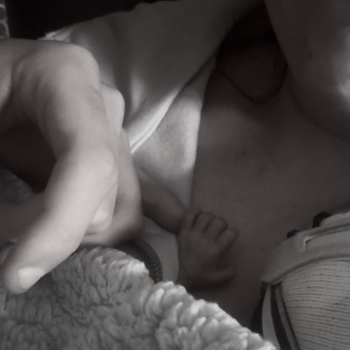
He was only a little over one pound when he was born — impossibly tiny, yet fiercely strong. He spent 73 long days in the NICU, fighting and growing one ounce at a time. Those days were filled with monitors, alarms, prayers, and hope.
Looking back, I realize my body had been trying to warn me. I had swelling that doctors brushed off as typical pregnancy symptoms, and headaches that felt similar to my normal migraines. I didn’t recognize that together, they could be signs of dangerously high blood pressure.
What started as a routine glucose test became the day my intuition saved my baby’s life.
I will never forget that quiet feeling that told me something wasn’t right — and I will always be grateful I listened.
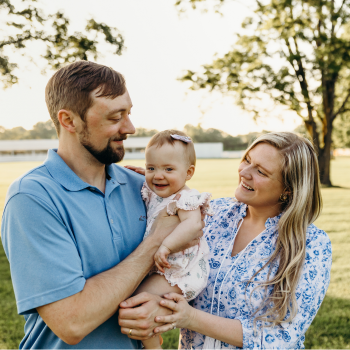
This is my preeclampsia story. And it is a hard one. But it is mine.
ReadMore
- When the Baby Is Here, You Think the Danger Is Over. May 18, 2026
- Preterm Eclampsia and Severe Preeclampsia May 18, 2026
- Christine Aluoch May 18, 2026
- It Can Happen Out Of No Where. May 18, 2026
- Christine Aluoch May 18, 2026
- It's Me. It's Christian. I'm In Here. May 16, 2026
- Preeclampsia May 16, 2026
- Throughout my whole pregnancy I knew something was off May 11, 2026
- Postpartum Eclampsia May 11, 2026
- Postpartum Eclampsia May 11, 2026