

Ask the Expert: How Does Preeclampsia Influence Future Cardiovascular Health?
How does preeclampsia affect health after pregnancy?
Preeclampsia doesn’t always end with delivery. It is now recognized as an early warning sign for future cardiovascular disease.
Women who have experienced preeclampsia have approximately double the risk of developing chronic high blood pressure, heart disease and stroke later in life. Additional risks include peripheral vascular disease, heart failure and arrhythmia.
Beyond heart disease, preeclampsia is also associated with an increased risk of:
- Diabetes
- Chronic kidney disease
- Possible higher risk of dementia (research is ongoing)
In short, preeclampsia is not just a pregnancy complication – it is a long-term health signal.
Are there factors that further increase heart disease risk related to preeclampsia?
Yes. Cardiovascular risk is higher in patients who had:
- Preeclampsia early in pregnancy
- Preeclampsia in more than one pregnancy
- Experienced additional complications such as gestational diabetes, placental abruption, or fetal growth restriction
The more severe or recurrent the pregnancy complications, the greater the long-term cardiovascular risk appears to be.
Why does preeclampsia increase the risk of heart disease?
Pregnancy is often described as a natural “stress test” for the heart. When complications such as preeclampsia develop, they may reveal underlying vulnerabilities that increase future cardiovascular risk.
Researchers are still working to determine whether:
- Preeclampsia directly causes long-term cardiovascular damage, or
- Some women are already predisposed to both preeclampsia and later heart disease
Most likely, it is a combination of both factors.
How soon can heart disease develop after preeclampsia?
Heart disease is the leading cause of death in women. Rates are rising among women aged 35 to 54.
Chronic high blood pressure can appear within the first year postpartum, sometimes as early as six to twelve months after a pregnancy affected by preeclampsia.
Heart disease itself can develop as early as ten years after an affected pregnancy. One study found that 65% of cardiovascular events occurred in women under age 40, highlighting the importance of early monitoring.
How is future heart disease risk assessed?
The American Heart Association recognizes preeclampsia as an adverse pregnancy outcome that increases long-term cardiometabolic risk.
The organization recommends:
- Cardiovascular risk screening in the first year postpartum
- Follow-up assessments at 6 months and 12 months
These tests can be done with your primary care provider. They can also refer you to a cardiologist or other specialists if they feel it is necessary. In the years following preeclampsia, women may develop:
- High blood pressure
- Abnormal blood sugars
- Elevated cholesterol
Providers assess risk using factors such as blood pressure, blood glucose, cholesterol, body mass index and kidney function. Tools like the PREVENT calculator can help determine whether additional testing, medication or specialist referral is needed.
How can the risk of future heart disease be reduced?
Pregnancy offers a window into long-term health. Experiencing preeclampsia can serve as an early “heads up” to make sustainable lifestyle changes.
The American Heart Association promotes a framework called Life’s Essential 8, which outlines key pillars of cardiovascular health. The Preeclampsia Foundation also provides our “My Health Beyond Pregnancy” tool to guide your long-term care.
Key strategies include:
Eat a healthy diet
Large studies show that the Mediterranean diet reduces major cardiovascular events and diabetes risk. Emphasizing whole foods, like fruits, vegetables, legumes, nuts and olive oil can support heart health, even in the busy postpartum period. Check out the “Nutrition After Preeclampsia” handout from Brigham and Women’s Hospital.
Be more active
New mothers face time constraints, but simple steps such as walking with a baby stroller or following short at-home workout videos or yoga can make regular movement achievable. Being active and getting outdoors can also positively affect your emotional health as well.
Manage weight
Returning to pre-pregnancy weight within one year postpartum is generally recommended.
Get healthy sleep
Sleep disruption is common after childbirth, but is incredibly important for blood pressure control. Ask for help from loved ones and relatives so that you can get adequate additional rest. Underlying issues such as obstructive sleep apnea should also not be overlooked. Sleep apnea is linked to both chronic high blood pressure and increased risk of preeclampsia. Screening can be an important preventive step.
Address stress
Postpartum stressors may include financial strain, housing instability, food insecurity and social isolation. Health care providers and community organizations can help connect women with support resources.
Prioritize mental health
Many women describe preeclampsia as a traumatic experience. Unexpected medical interventions, prolonged hospital stays and fear for personal or infant health can leave lasting emotional effects.
Research suggests that traumatic birth experiences may increase the risk of postpartum depression, anxiety and post-traumatic stress disorder. Emotional recovery is just as important as physical recovery. One place to start is our “Emotional Support Resources” link.
Which health care providers should be involved after preeclampsia?
Ongoing care with a primary care provider (PCP) is essential.
A PCP can:
- Monitor and manage blood pressure
- Screen for diabetes and high cholesterol
- Evaluate kidney function
- Address mental health
- Help navigate social stressors
In addition, many cities now offer dedicated postpartum heart health clinics focused specifically on cardiovascular risk after preeclampsia.
Take Home Message
Preeclampsia is a difficult journey but knowing how this hypertensive disorder of pregnancy impacts future heart health can help you take charge of your health earlier in life. While you cannot change the fact that you had preeclampsia, you can be empowered to partner with your healthcare providers and to take charge of your health. Most heart disease is preventable by living a heart-healthy lifestyle and monitoring cardiovascular risk factors through regular follow-up. Visit https://preeclampsia.org/beyondpregnancy for more information and a free tool to help.
Additional Resources
Optimizing Prepregnancy Cardiovascular Health to Improve Outcomes in Pregnant and Postpartum Individuals and Offspring: A Scientific Statement From the American Heart Association https://www.ahajournals.org/doi/full/10.1161/CIR.0000000000001124
Opportunities in the Postpartum Period to Reduce Cardiovascular Disease Risk After Adverse Pregnancy Outcomes: A Scientific Statement From the American Heart Association= https://www.ahajournals.org/doi/10.1161/CIR.0000000000001212
About the Author
Dr. Tabassum Firoz is a physician in obstetric medicine at Bridgeport Hospital, Yale New Haven Health. She is trained in internal medicine and her clinical and research interests include global maternal health policy, pre-eclampsia, and postpartum cardiovascular risk reduction.

Related Articles

Your story is needed to improve outcomes for moms like you. Add your voice to critical preeclampsia research to ensure that every story is heard.

Doulas can help bridge the gap for any mom, but especially those most vulnerable to maternal illness and death.


Frequently asked questions about the Preeclampsia Registry, a patient-driven registry and biobank.

The Preeclampsia Foundation offers research funding, study recruitment, and other patient engagement services to researchers.
1777566412.png)
Placental dysfunction can result in conditions such as preeclampsia, which have traditionally been managed with close monitoring and appropriately timed delivery. There is currently no cure for preecl...
1777563523.png)
Gestational hypertension continues to be a growing public health concern contributing to maternal morbidity, mortality, and long-term health complications in the U.S. While changes in vision—suc...
1777562643.png)
Background Low-dose aspirin (81 mg) is a treatment known to help lower the risk of preeclampsia. However, not everyone who is at higher risk is told to take it. This study looks at whether a screening...
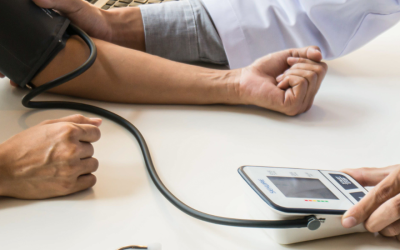
Women who experienced Preeclampsia have a higher lifetime risk of developing cardiovascular disease (CVD) than women who did not suffer from this pregnancy complication. Researchers wanted to know if...

Preeclampsia Foundation and Preeclampsia Foundation Canada announced that applications are now being accepted for the 2026 Vision Grant research funding program. Three of the four grants focus on heal...