

Research

Research funding provided to study preeclampsia with a special focus on health equity
1785353792.png)
Preeclampsia is a serious complication of pregnancy that can affect a woman’s health beyond pregnancy. For a long time, it has been clear that women who experience preeclampsia have a greater chance of developing high blood pressure, kidney dis...
1785337209.png)
Black women in the United States experience preeclampsia more often and are more likely to experience severe complications from it than White women. Traditional risk factors, such as high blood pressure, diabetes, body weight, and pregnancy history,...
1785336951.png)
High blood pressure disorders during pregnancy, including preeclampsia and gestational hypertension, are common complications that affect approximately 5–10% of pregnancies. Although these conditions usually resolve after delivery, growing evid...
1785336695.png)
Preeclampsia is a serious pregnancy complication that causes high blood pressure and can harm organs like the kidneys, liver, and brain. It affects thousands of pregnancies every year and remains one of the leading causes of illness and death for mot...

Hypertensive disorders of pregnancy, such as high blood pressure during pregnancy, are a major cause of illness and death for mothers. It is important to find women who are at risk as early as possible. One way to do this is to look at certain health...
Letters of intent welcome until August 14, 2026
1779989418.png)
Understanding Neurological Symptoms, Stroke Risk, and Long-Term Brain Health
1777566412.png)
Placental dysfunction can result in conditions such as preeclampsia, which have traditionally been managed with close monitoring and appropriately timed delivery. There is currently no cure for preeclampsia, but could the development of new placental...
1777563523.png)
Gestational hypertension continues to be a growing public health concern contributing to maternal morbidity, mortality, and long-term health complications in the U.S. While changes in vision—such as blurred sight, light sensitivity, or seeing s...
1777562643.png)
Background Low-dose aspirin (81 mg) is a treatment known to help lower the risk of preeclampsia. However, not everyone who is at higher risk is told to take it. This study looks at whether a screening tool for preeclampsia risk can be added to the el...
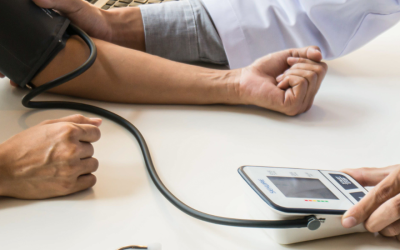
Women who experienced Preeclampsia have a higher lifetime risk of developing cardiovascular disease (CVD) than women who did not suffer from this pregnancy complication. Researchers wanted to know if certain markers in the placenta, like FLT-1, ENG,...