

Preeclampsia: the One Who Walks In Without Knocking
April 23, 2026 By Kaitlyn Simpson
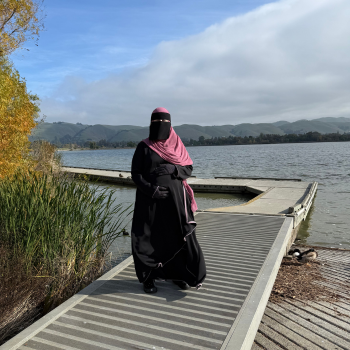
I am 24 years old and delivered my baby 7 weeks ago. My pregnancy started as healthy, but that didn’t last.
Before:
At 18 weeks, I was sent for bloodwork after high readings at home the day before my biochemistry exam. I tried to study my problems away and treated what was happening as a distraction. My protein was borderline but not enough for a diagnosis. Because I am on the autism spectrum and have sensory differences with blood pressure cuffs, we switched to manual readings, which initially showed lower numbers. That gave a sense of reassurance, but it didn’t last. After I graduated from college, my baby developed fetal growth restriction and borderline low amniotic fluid, so I was monitored twice a week starting at 32 weeks. I saw online that both conditions can be caused by preeclampsia but thought that could not possibly be me due to it being previously ruled out. At 37 weeks, my blood pressure spiked into the hypertension range at one appointment and again at the same clinic the next day. I was sent to labor and delivery for induction.
After:
At labor and delivery, my blood pressure was in severe range on both manual and automatic cuffs with no other warning symptoms. A urine test showed significantly elevated protein, and I was diagnosed with preeclampsia with severe features at the bedside. Everything changed quickly. That was the moment I realized the cuffs had been right all along.
Because of how high my blood pressure and protein were, the plan changed from induction to an urgent C-section, and magnesium was started immediately. Even though side effects were explained, I still thought it would feel like a stronger supplement. Within minutes, I felt intensely hot, sweaty, and foggy, like my body no longer belonged to me. I had to decide between spinal anesthesia and general anesthesia due to the concern over sensory overload in the operating room. I ended up choosing spinal after some coaxing from my medical team and husband.
During the C-section, I felt a heavy pressure in my chest and became convinced that any breath could be my last. My vitals were stable, but it felt like I was dying. I tried to say I couldn’t breathe, but my lips felt almost paralyzed. The anesthesiologist understood and gave me oxygen. I also became severely nauseous and threw up multiple times before the sensation passed. I realized immediately after the procedure that aspiration could have been a concern if this happened under general anesthesia.
I made it to recovery with a healthy baby girl, but another complication followed. While still on magnesium, I developed critically low sodium. I became confused and delirious, and it was not immediately clear what was causing it even though both conditions were already identified in my lab results. My sodium was corrected with IV fluids, salty food, and frequent blood tests until it returned to normal.
After that, I understood how important it was to follow my blood pressure medication exactly. Because of executive function challenges related to autism, I needed structure. I used medication reminders on the Medisafe app, alarms, and took photos of each dose to make sure I didn’t miss or repeat anything.
I am doing well today, but this experience changed how I see risk. I was young and thought I was safe as long as I was careful. I learned that preeclampsia does not follow that rule: it can still develop even after it has been ruled out.
In 2024, my husband and I received our long-awaited answered prayer—the pregnancy and birth of our first child, our daughter, Shira. Wh...
ReadMore- Through Preeclampsia, Three Times April 23, 2026
- No Warning Signs April 14, 2026
- Lillian's Story April 06, 2026
- My Preeclampsia Story: Grieving the Pregnancy I Thought I’d Have April 04, 2026
- My Symptoms Were Dismissed For Weeks Because My Blood Pressure Wasn’t “abnormal” April 04, 2026
- Simone and Levi April 04, 2026
- What They Missed April 04, 2026
- My Postpartum Check-Up Saved Me! March 19, 2026
- Ignorance… What Almost Cost Me And/Or My Baby’s Lives March 19, 2026
- Gracen + Baby Jade March 19, 2026