
For My Daughter: Our Birth Story
February 09, 2026 By Kasey Moss
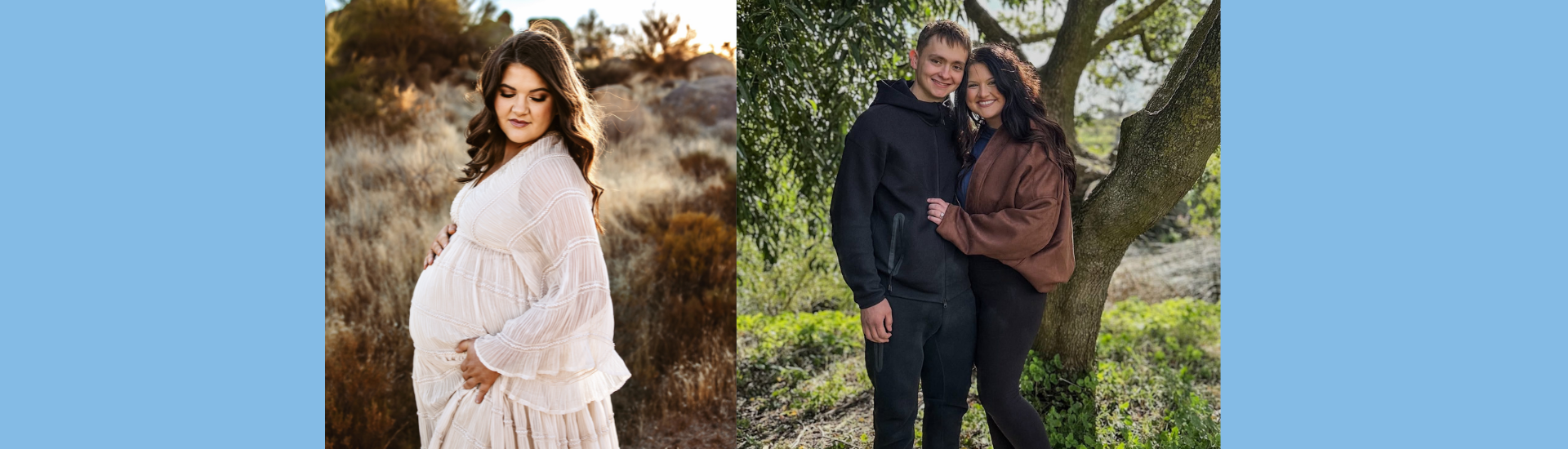
My husband is in the military, and at the time I was only 23 years old. We were stationed across the world from our family and friends. It was just us. We knew we wanted to start a family, and within three weeks of trying, I conceived my first natural pregnancy. I was active, healthy, and had no medical issues. Everything was going perfectly—until it wasn’t.
Around 13 weeks, I began noticing swelling while working full-time in dental. My doctor advised compression socks, hydration, and rest. Around the same time, I was referred to high-risk care because my baby was measuring small. After increasing my protein intake and being closely monitored, her growth improved, and I was able to return to regular OB appointments around 20 weeks. I felt relieved and thought the worst was behind us.
Weeks later, I started seeing spots and didn’t feel like myself. I was told to monitor my blood pressure. By the third trimester, I constantly felt sick in a way that didn’t feel normal. I kept swelling, but because my appointments didn’t raise alarms, I convinced myself this was just pregnancy.
At my 37-week appointment, preeclampsia was mentioned for the first time. My urine was clear, but my blood pressure was in the 160s/80s. I became restless and anxious. I couldn’t sleep, could barely walk, and was so swollen I couldn’t put on shoes. I knew I couldn’t carry my baby any longer.
I was induced a few days later. After 12 hours of labor and 30 minutes of pushing, my daughter arrived. She had shoulder dystocia, the cord was around her neck, and she wasn’t breathing at birth. Nurses rushed in, and she was taken while I was being stitched. I sent my husband with her. I didn’t meet her until the next morning. She made a full recovery, but the joy of birth felt overshadowed by fear.
Three days later, we went home. I was still severely swollen and then developed hives all over my body. A few nights later, I checked my blood pressure and saw readings around 180/200. I was admitted again and placed on a 24-hour magnesium drip for postpartum preeclampsia. My blood pressure took months to stabilize, and I needed medication.
Seven months postpartum, I struggled physically and emotionally. I had gained weight, my cycle hadn’t normalized, and I was passing large clots. An ultrasound showed I had developed PCOS. With support and lifestyle changes, I slowly began to heal.
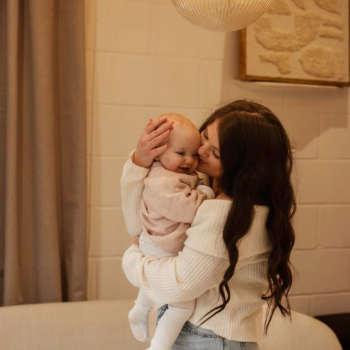
My journey wasn’t what I imagined, but my daughter—now a thriving one-year-old—is my reason for strength. Sharing this is part of my healing.
What I want other moms to know:
Trust your instincts. If something feels off, speak up and keep advocating for yourself. Preeclampsia can happen to healthy women, and symptoms aren’t always obvious. You are not weak for needing help. Your experience does not define the kind of mother you are meant to be—your strength does. You will get through this.
We didn't think we were going to be parents. After six years of hoping and four years of waiting to adopt, we got a...
ReadMore- The World's Slowest Marathon October 15, 2026
- Maia’s Birth Story October 10, 2026
- The Appointment That Changed Everything October 10, 2026
- Why I Walk September 25, 2026
- The Best & Worst Day September 25, 2026
- I Had No Clue What Eclampsia & Hellp Syndrome Were September 25, 2026
- I Walk for My Son, Owen September 22, 2026
- My Truth With Preeclampsia and Hellp Syndrome September 05, 2026
- Servere Preeclampsia At 19 Weeks September 05, 2026
- Something Wasn't Right September 05, 2026