

4 Hospital Visits, 1 Night In the Icu, and 35 Pounds Of Fluid: My Postpartum Preeclampsia Story
May 29, 2026 By Jess Roberts
Throughout my second pregnancy, my blood pressure was entirely normal. Looking back, there were subtle signs: I gained 50 pounds and suffered from fluid retention so severe that only Birkenstocks fit my feet. But because my readings remained steady, preeclampsia wasn’t heavily on my radar, though I was advised to keep a cuff at home.
At 39 weeks, the day after a membrane sweep, my home readings crept into the 130s and I felt distinctly "off." Trusting my gut, I admitted myself to Labor & Delivery a day ahead of my scheduled induction. Protein was discovered in my urine, and I was diagnosed with preeclampsia.
What followed was a highly traumatic delivery. After a failed VBAC attempt, I developed uterine and fetal infections, a 104-degree fever, and suffered an arrest of labor. This culminated in an emergency C-section and severe hemorrhaging. My newborn son, Andy, spent two days in the NICU on a CPAP machine, while I required blood and iron transfusions. After four days, my blood pressure appeared to normalize, and we were discharged. I thought the worst was behind us. In reality, the true crisis was just beginning.
The Postpartum Cycle
Preeclampsia does not always end at delivery—a dangerous reality I learned firsthand over the next three weeks:
1 Day Post-Discharge: My first night home, my BP climbed into the 140s. The next morning, it hit the 150s. The on-call OB directed me back to L&D for IV antihypertensives and a new prescription.
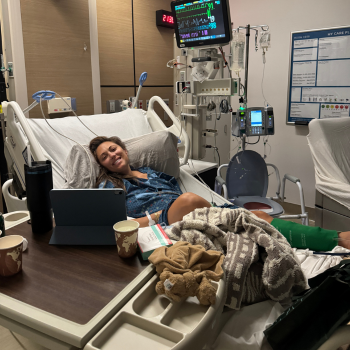
The ICU Admission: Back home, despite medication, my BP spiked to 181/100. I was readmitted, diagnosed with severe postpartum preeclampsia, and placed on a brutal 24-hour magnesium sulfate drip. Because my pressures remained uncontrollable, I was transferred to the ICU. (A testament to the fluid retention: during this week-long stay, my body shed 35 pounds of fluid).
The Two-Week Spike: Two weeks postpartum, while my son was in the ER being admitted for a staph infection, the stress caused my BP to spike to a life-threatening 194/106, requiring a fourth visit to L&D.
The Six-Week Scare: Even at six weeks postpartum, during an echocardiogram, my BP suddenly spiked to 185/120 despite weeks of medication stability.
The Long Road to Healing
It took several months of a complex medication cocktail, exhausting dosing algorithms, endless doctor appointments, EKGs, echos, cardiac MRIs, and a 24-hour monitoring cuff before my system stabilized and I could wean off the medication.
While my physical biomarkers have recovered, the psychological impact remains. I survived the physical toll of severe preeclampsia, but I am left with medical anxiety and profound postpartum PTSD. To this day, the simple sound of a blood pressure cuff inflating is an immediate trigger.
Maternal health does not end the moment a baby is born. We need deeper awareness surrounding late-onset postpartum preeclampsia so that mothers know to keep checking their blood pressure at home, trust their instincts, and advocate fiercely for their lives.
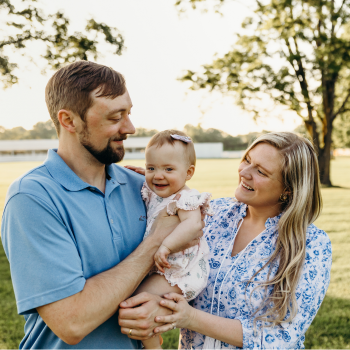
This is my preeclampsia story. And it is a hard one. But it is mine.
ReadMore
- Nobody Told Me How Sick I Was June 20, 2026
- My Why June 15, 2026
- My Story With Hellp Syndrome June 15, 2026
- Eclampsia Survivor Nyla June 15, 2026
- Preeclampsia, Icu and Me June 15, 2026
- Snehil, A Preeclampsia Journey June 10, 2026
- 43 Days In the Hospital June 04, 2026
- Early Christmas For Us! June 04, 2026
- Preeclampsia and Ptsd June 04, 2026
- Every Thing Speaks To Me June 04, 2026