
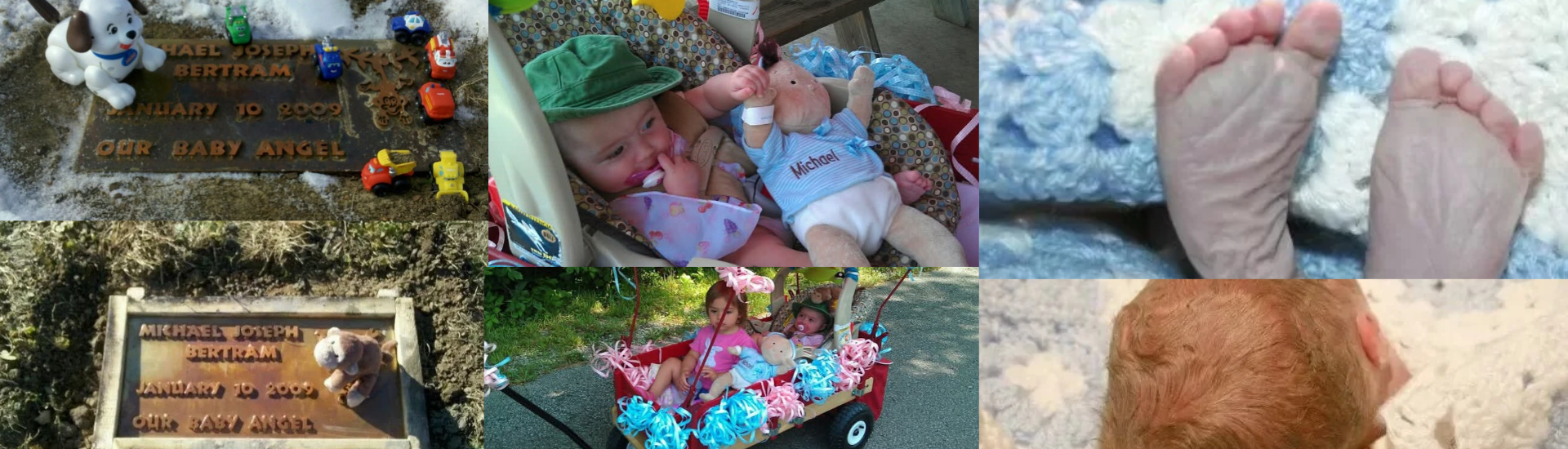
Our Preeclampsia and Hellp Syndrome Story
November 23, 2026 By Molly McGuire
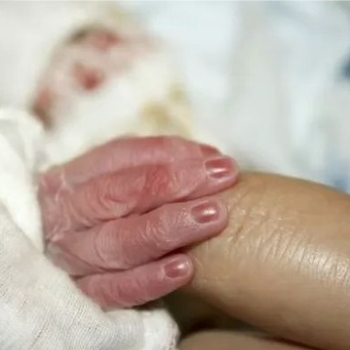
For Michael. For the families who have experienced loss. And for the mothers and fathers who deserve to be heard.
My journey into motherhood was not what I imagined. What should have been a time of excitement, preparation, and anticipation became a fight for my life and one of the most heartbreaking experiences a family can endure.
During my pregnancy with my son, Michael, I developed severe preeclampsia and HELLP syndrome.
Looking back, there were warning signs. I experienced symptoms that were initially dismissed as the flu, and at times, I was made to feel like a neurotic first-time mother. I also had untreated gestational diabetes. Unfortunately, the seriousness of what was happening was not recognized in time.
At just 33 weeks and 3 days, I lost my son, Michael, to stillbirth.
But the complications didn't end there.
Following his death, I experienced a severe postpartum medical crisis that nearly cost me my life. Physically, I was fighting to survive. Emotionally and mentally, I was trying to comprehend how I could walk into a pregnancy expecting to bring home a baby and instead leave the hospital without my son.
My postpartum struggles were significant. After screening positive for postpartum depression, I was referred to and participated in a 12-week intensive outpatient program, where I received diagnoses of severe postpartum depression, anxiety, and PTSD.
It was a long road, and one that changed how I viewed motherhood, healthcare, mental health, and advocacy.
The impact on the entire family
One thing I believe is severely overlooked in conversations about pregnancy complications, stillbirth, and infant loss is paternal mental health.
When a baby dies, the entire family experiences that loss. Fathers are grieving, too. They are navigating the loss of a child while often trying to support their partner, hold the family together, and manage their own emotions.
Too often, society focuses on the mother's physical recovery and emotional well-being while fathers are expected to be strong, supportive, and quietly carry their grief.
But fathers need support, too.
They can experience depression, anxiety, trauma, and complicated grief. Their loss is just as real, even when their experience looks different.
We need more education, more research, more accessible resources, and more advocacy surrounding paternal mental health. Support shouldn't stop with the mother, and it shouldn't stop when the hospital discharge papers are signed.
A baby doesn't just belong to a mother. A baby belongs to a family. And when that baby dies, the entire family is forever changed.
My advocacy will always include making sure fathers, partners, siblings, and extended families are part of the conversation. No one should have to navigate that kind of loss feeling invisible or alone.
Turning personal tragedy into advocacy
Michael's story didn't end with his death. And neither did mine.
Over the years, I've found purpose in sharing what happened. I've become an advocate for maternal health, pregnancy-related hypertension disorders, and women's cardiovascular health.
In 2025, I was honored to be selected as one of 12 women nationally for the American Heart Association's Go Red for Women Class of Survivors.
That recognition gave me another platform to share my experience and help educate others about the connection between pregnancy complications and long-term cardiovascular health.
I've also had the opportunity to return to the American Heart Association in Dallas to participate in educational and promotional efforts focused on women's heart health.
One of the most important messages I want other women to understand is that pregnancy complications can have consequences long after delivery. Preeclampsia and HELLP syndrome are serious, potentially life-threatening conditions. Women deserve to have their symptoms heard, believed, and taken seriously.
We didn't think we were going to be parents. After six years of hoping and four years of waiting to adopt, we got a...
ReadMore- Intersection Of Postpartum Mental Health, High Blood Pressure, and Neurological Complications November 23, 2026
- Shayla's Story November 23, 2026
- My Pregnancy Journey: the Critical Importance Of Patient Advocacy November 23, 2026
- I Almost Ignored the Warning Signs: My Postpartum Preeclampsia Story October 29, 2026
- Shelby’s Story – A Mother Lost Just 10 Days After Giving Birth October 28, 2026
- My First Battle With Preeclampsia October 28, 2026
- Divine Protection October 28, 2026
- My Baby Who I Named After My Dad October 28, 2026
- Hellp Postpartum October 28, 2026
- The World's Slowest Marathon October 15, 2026